The Meridian — Reported feature, 2026
What Progress Leaves Behind
In three factory towns, automation arrived as a promise. Over six months, I sat with the families living inside the bargain — the retrained, the retired-early, and the ones still waiting for the future to call back.
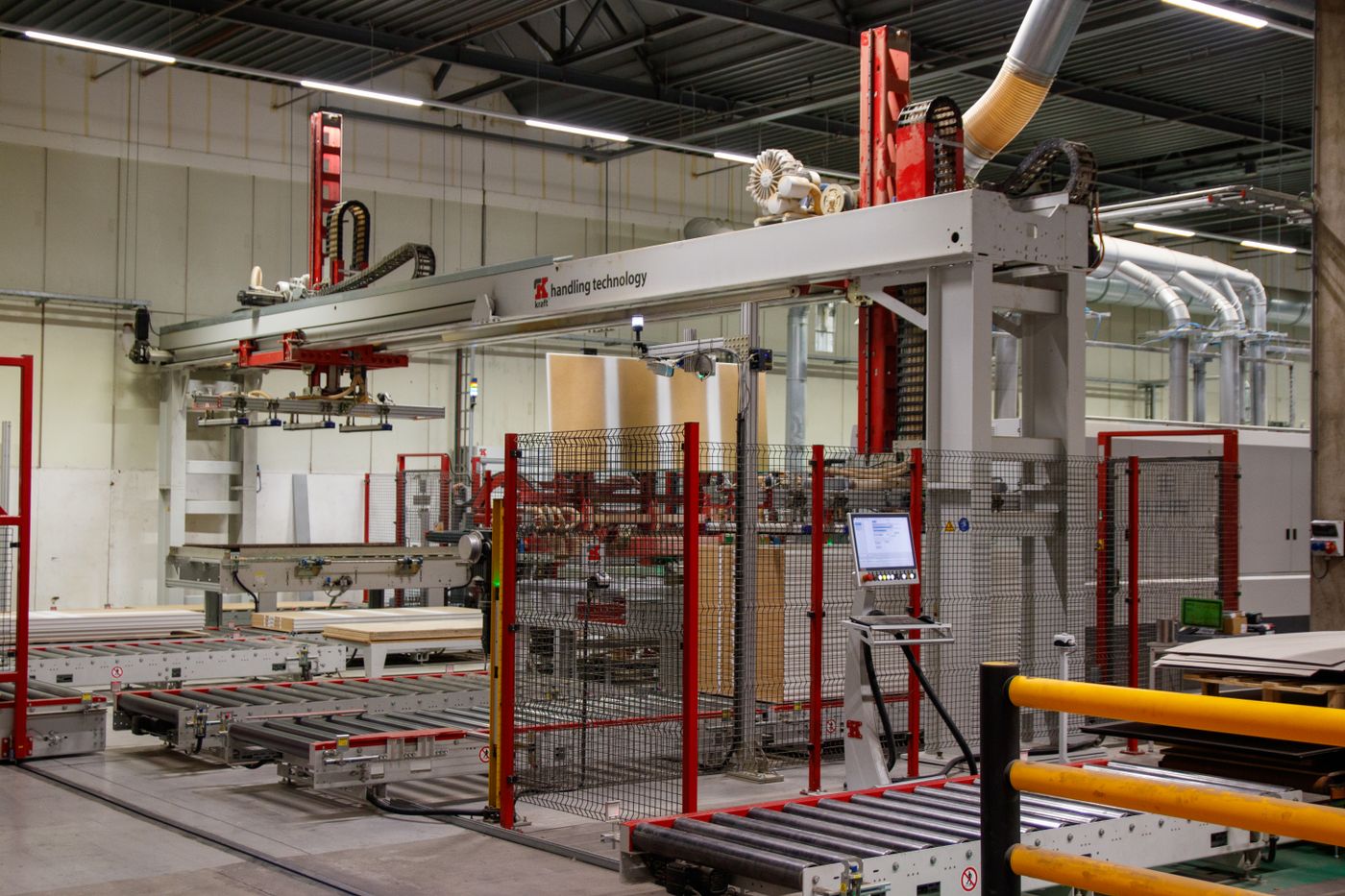
The promise
Every town heard the same presentation: cleaner floors, safer shifts, higher output. The slide decks were immaculate and the timelines aggressive. What nobody projected on the wall was the quiet part — which jobs would change beyond recognition, and which would simply vanish.
I started with the plant managers, then did what the decks never do: I stayed. I rented rooms, drank bad coffee in good diners, and learned the shift patterns by living next to them.
The bargain
The retraining programmes were real, and for some workers they worked. A forklift driver became a systems technician; a line supervisor now audits the robots that replaced her crew. Their pride is genuine, and the piece honours it.
But programmes designed in headquarters rarely survive contact with a night shift. Childcare, transport, and the simple arithmetic of a mortgage at fifty-two — these are the variables the models never ingest.
What the reporting found
- Retraining worked best where plants co-designed it with workers, not consultants.
- The towns that coped fastest had strong libraries, unions, and night-bus routes — unglamorous infrastructure.
- Automation's winners rarely live where its costs land.
Why it matters now
A second wave of automation is already being budgeted in the same boardrooms. The question is not whether the machines come — it is whether the towns get a seat at the table before the decks are final.

Reporter and essayist writing about work, technology and the people who live with both. Based in New York.
Commission a feature
Reported stories with patience built in. Request the full clips file or send a brief.