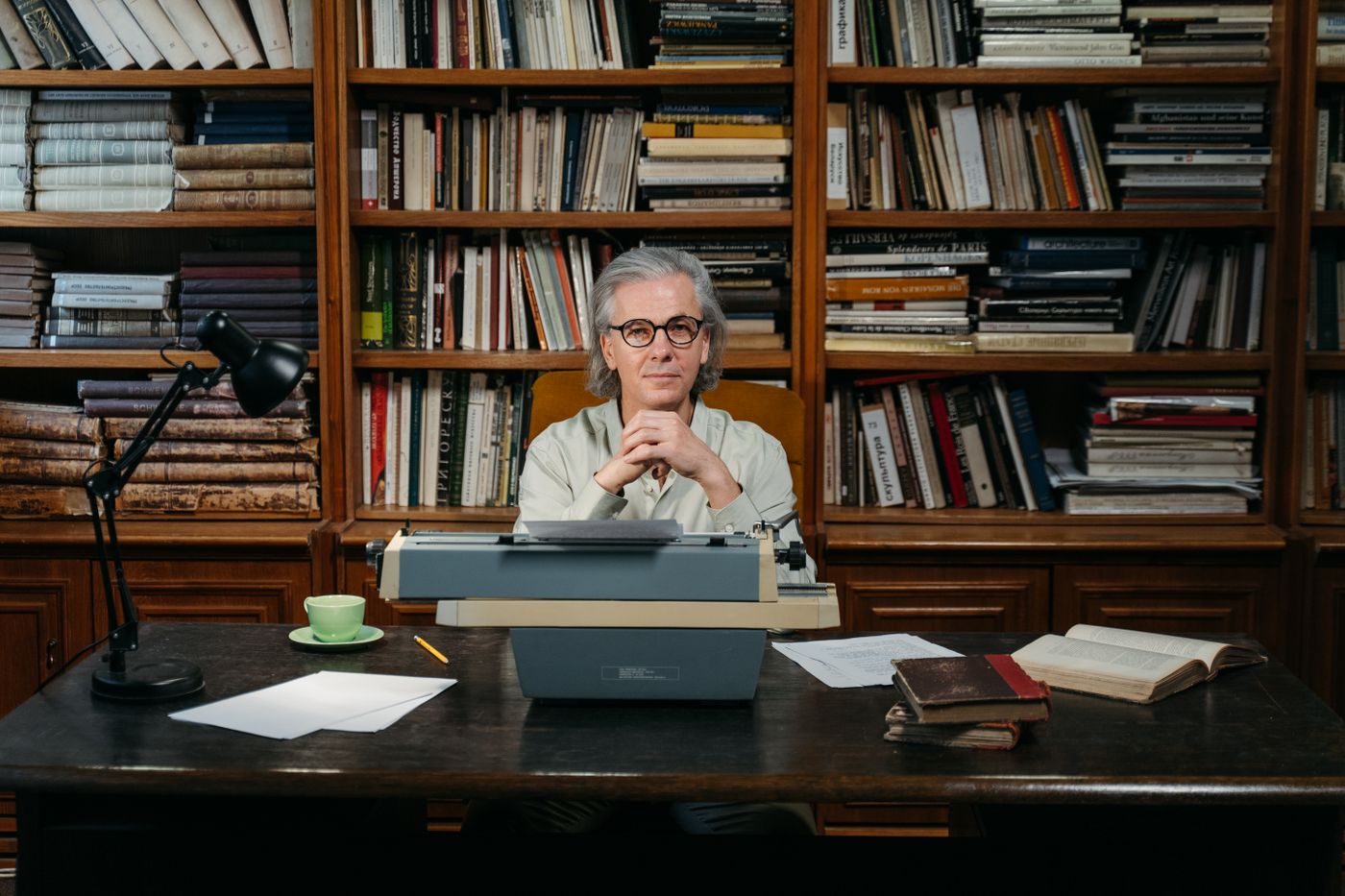
The borrowed first draft
There is a particular vertigo in reading a paragraph you did not write and finding it adequate. Not brilliant, not yours — adequate. The essay begins there, in that small, honest discomfort, and follows it through newsrooms, classrooms, and publishing houses.
Editors I spoke to describe a new literacy: reading a draft and sensing where the human stopped. It is connoisseurship inverted — expertise deployed to detect absence rather than presence.
What remains ours
The piece argues against both panic and surrender. Panic mistakes the draft for the work; surrender mistakes convenience for voice. Between them lies the actual craft: judgment, revision, the willingness to delete a fluent paragraph because it is not true.
Threads the essay follows
- The history of ghostwriting, from speeches to liner notes to autocomplete.
- Why editors now read for rhythm as a test of provenance.
- A modest proposal: sign the revisions, not just the draft.
An essay in the old sense
Written as an attempt rather than a verdict, the piece moves associatively — through a copy desk at midnight, a seminar table, and a novelist's shed — gathering evidence for the unfashionable idea that difficulty is part of meaning.
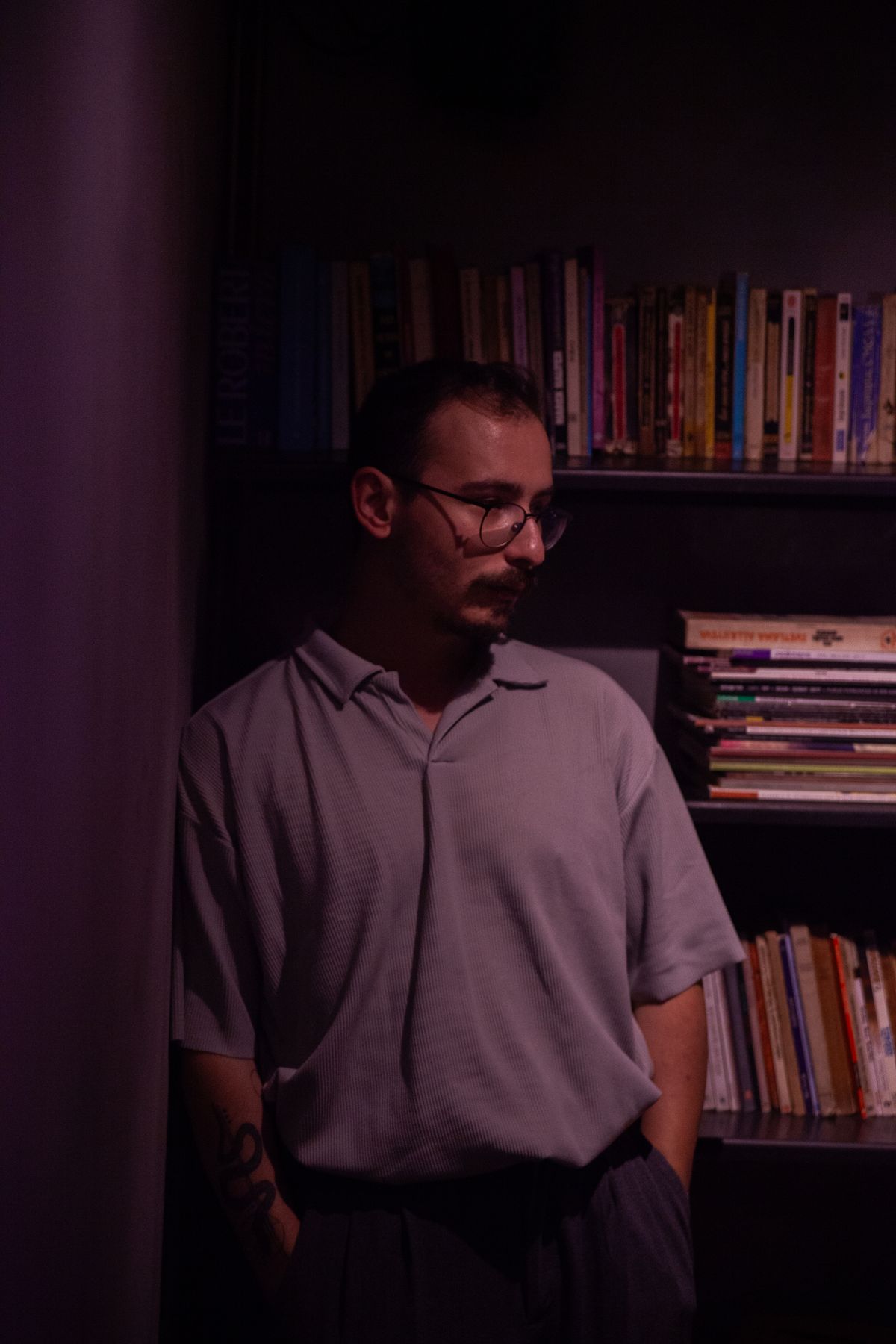
Reporter and essayist writing about work, technology and the people who live with both. Based in New York.
Commission an essay
Criticism and reported essays for magazines and quarterlies. Send your brief.